Tempered, Laminated, and Lexan: Understanding the Glass in Your Vehicle
Not all automotive glass is the same — and the differences matter more than most drivers realize. The type of glass in a specific window determines whether it can be repaired or must be replaced, how it behaves in a collision, and what you should expect from a service appointment. If you've ever wondered why your windshield cracks differently than a side window, or why some equipment glass shatters while others splinter, it comes down to the glass type.
Here's a plain-language breakdown of the three types of glass you'll encounter most often in vehicles and equipment across mid-Missouri.
Laminated Glass: Your Windshield
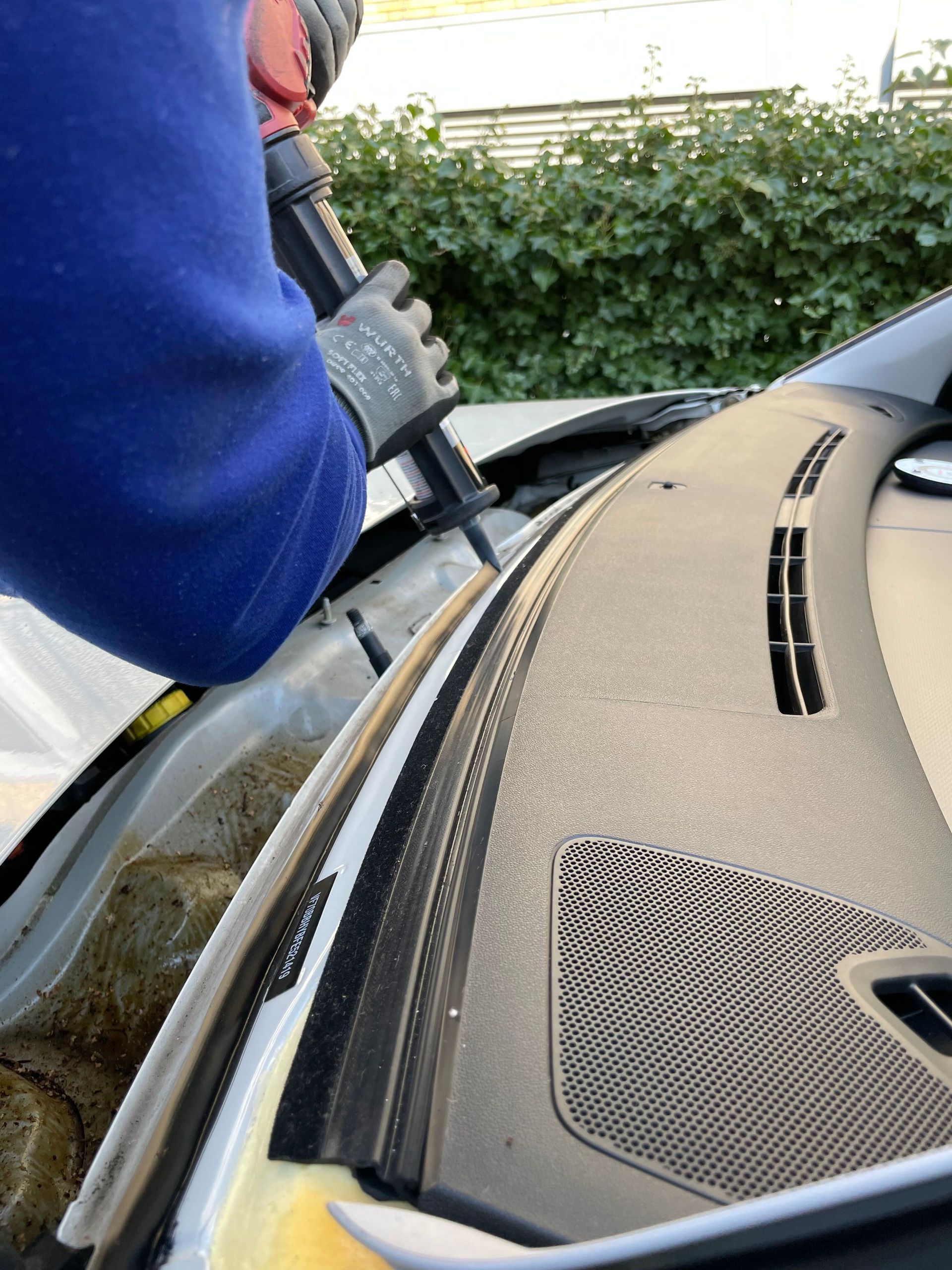
Your windshield is almost certainly made of laminated safety glass. The construction involves two layers of glass — typically around 2mm each — bonded to a clear plastic interlayer called polyvinyl butyral (PVB). The sandwich is then heat and pressure-bonded into a single unit.
This construction is what makes windshield chip repair possible. When a rock strikes the outer layer of a laminated windshield, it creates a void in that outer layer. The inner layer and the PVB interlayer remain intact, which is why the windshield holds together rather than shattering. The repair process — injecting resin into the void in the outer layer — works because the underlying structure is still sound.
In a collision, laminated glass is designed to stay in place. The PVB interlayer holds the broken pieces together rather than allowing the glass to shatter into the cabin. This is an intentional safety feature: a windshield that stays intact in a crash provides structural support to the roof and helps keep airbags properly directed.
The tradeoff is that laminated glass is softer on the surface than tempered glass. It scratches more easily, which is why road debris abrasion is visible on older windshields and why proper wiper maintenance matters — worn wiper blades dragging on the glass over time cause surface scratching that can't be repaired.
Tempered Glass: Side and Rear Windows
The side windows and rear window on most passenger vehicles are made of tempered glass — a single layer of glass that has been heated to around 1200°F and then rapidly cooled. This thermal process creates a state of compression in the outer surfaces and tension in the core that makes the glass significantly stronger than untreated glass of the same thickness.
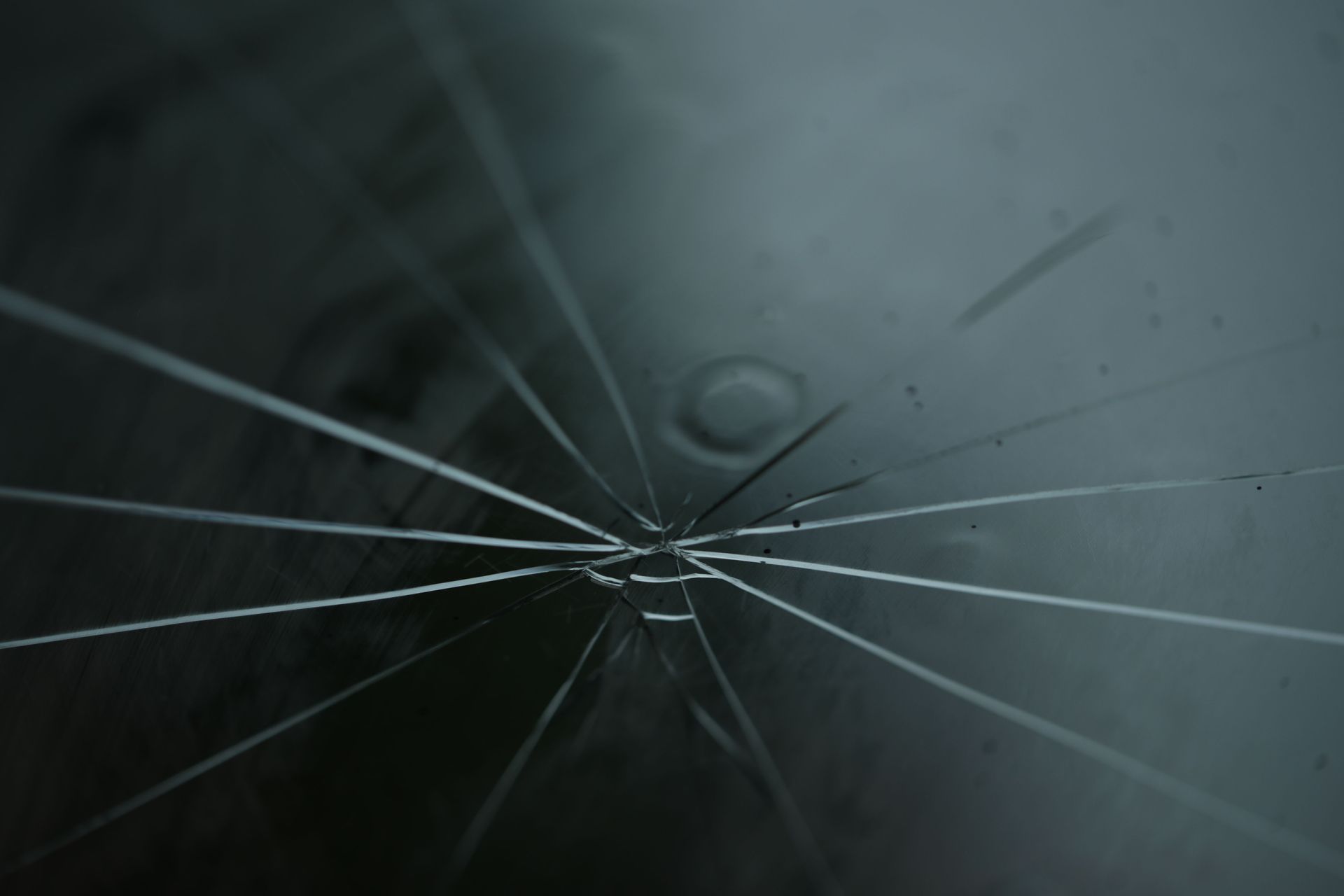
Tempered glass can take a considerably harder hit than standard or laminated glass before breaking. But when it does fail, it breaks in a characteristic way: instead of cracking into large sharp shards, it shatters into small, roughly cuboid pieces with relatively dull edges. This is the crumble pattern you've likely seen when a side window is broken — thousands of small pieces rather than jagged shards.
The important implication for repair: tempered glass cannot be repaired. Because it's a single layer under internal stress, any penetrating damage disrupts the stress balance and causes the entire pane to shatter. A chip or crack in a tempered glass panel — a side window, rear window, or the glass on most construction and farm equipment — means replacement, not repair.
Lexan (Polycarbonate): Equipment and Specialty Applications
Lexan is a brand name for polycarbonate, a plastic material used as a glass substitute in certain vehicle and equipment applications. You'll encounter it most often in heavy construction equipment cabs, some agricultural equipment, and specialty vehicles where impact resistance is the top priority.
Polycarbonate is dramatically more impact-resistant than either tempered or laminated glass — it can absorb significant blows without shattering, which makes it appropriate for job site environments where falling debris is a real risk. That's the upside.
The downside is scratching. Lexan scratches extremely easily compared to glass — surface contact that glass would shrug off leaves visible marks on polycarbonate. This is a known limitation of the material, and operators of equipment with Lexan panels quickly learn that cleaning it requires soft cloths and appropriate cleaners rather than anything abrasive.
The other significant limitation is adhesive compatibility. Standard automotive urethane adhesives — the adhesives used to bond windshields and glass panels into their frames — don't bond well to polycarbonate. Lexan panels require compatible adhesives and installation methods. A shop that isn't familiar with polycarbonate installations can inadvertently use the wrong adhesive system, resulting in a panel that doesn't seal or hold properly.
Why This Matters When You Call a Glass Shop
Knowing what type of glass is in the panel you need serviced helps you have a more informed conversation with a technician and set accurate expectations for the appointment. Laminated windshield with a chip? Likely repairable. Tempered side window with a crack? Needs replacement. Lexan panel on farm equipment? Make sure the shop has experience with polycarbonate before you bring it in.
Expert Glass handles all three types across our Jefferson City, Columbia, and Mexico locations. Call
573-636-0132 (Jefferson City),
573-442-1416 (Columbia), or
573-447-9348 (Mexico) for a free estimate.